Approach
A guide is finished when a stranger can use it without asking me anything.
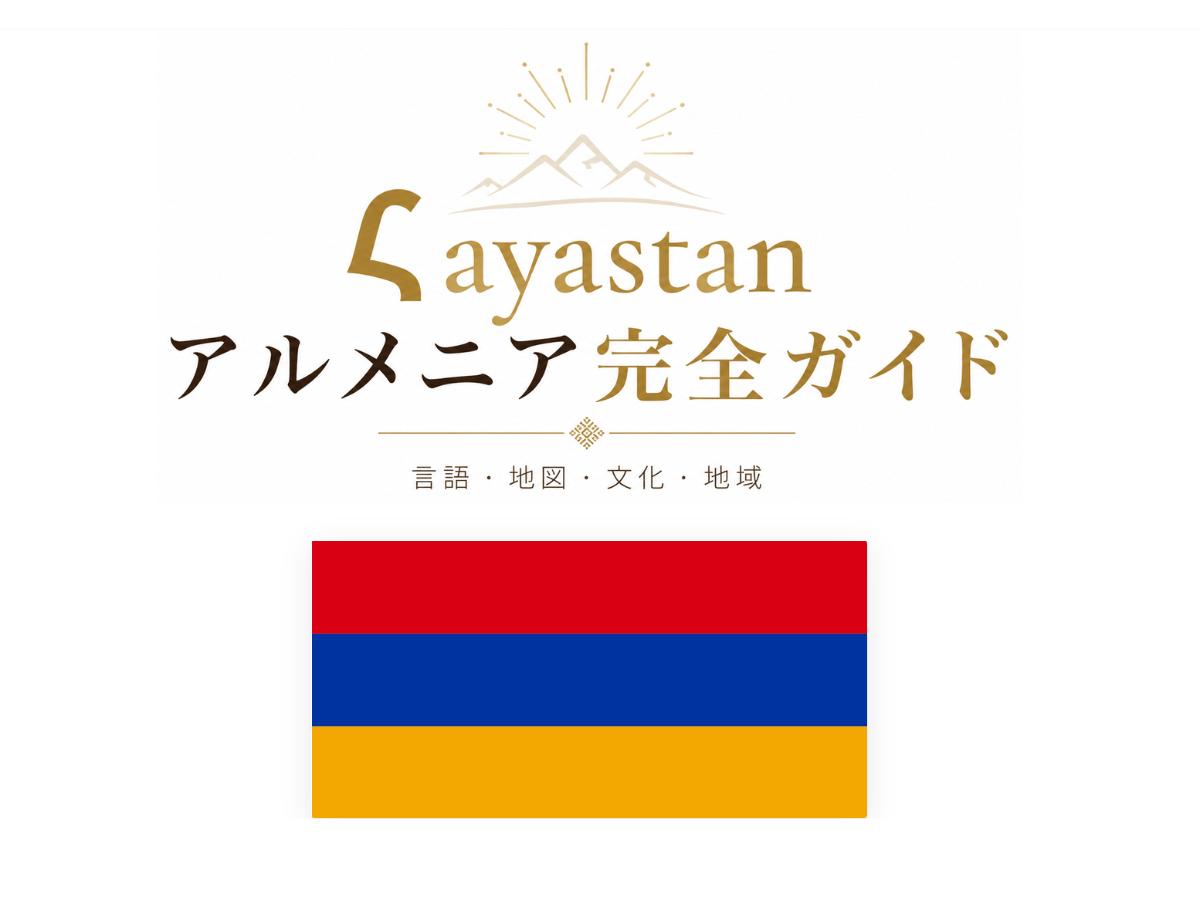
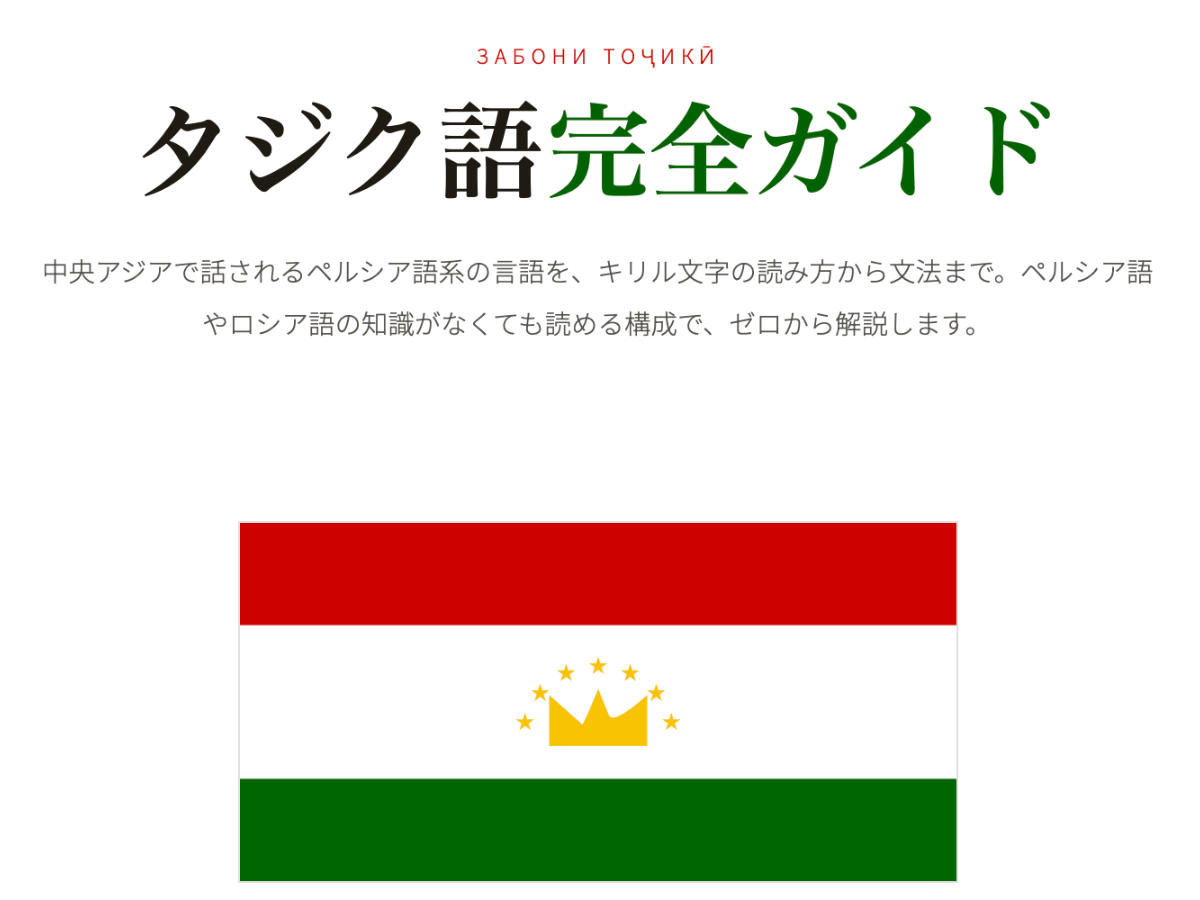
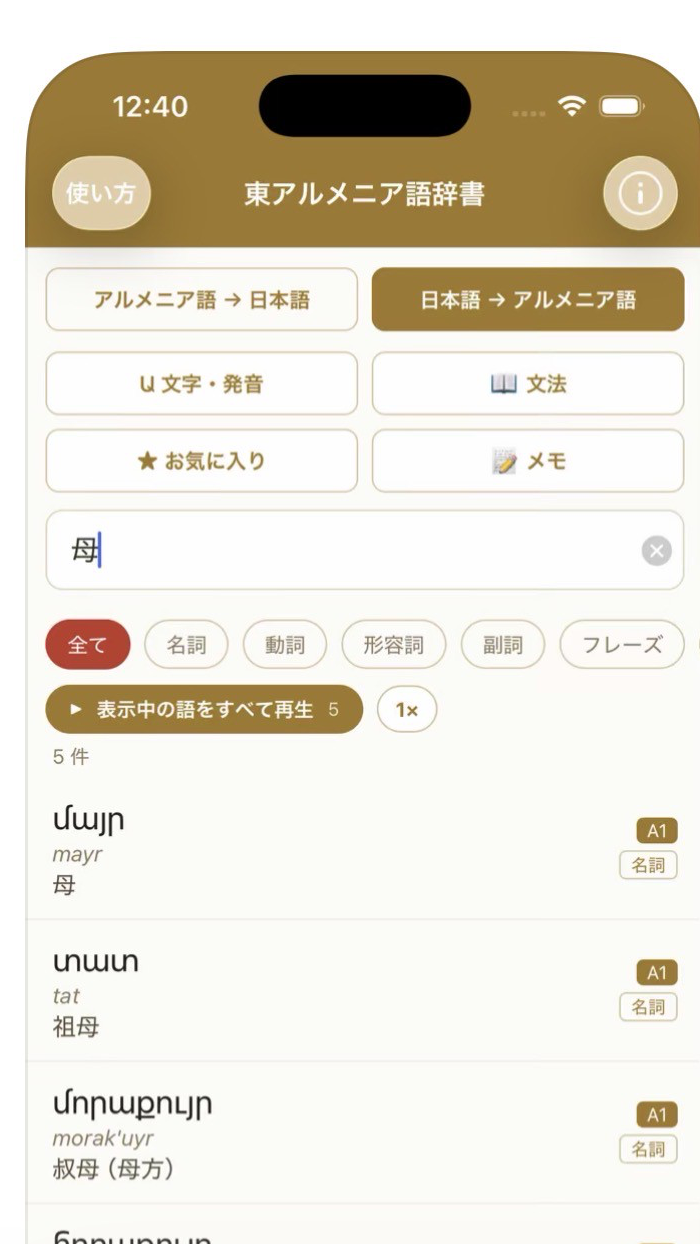
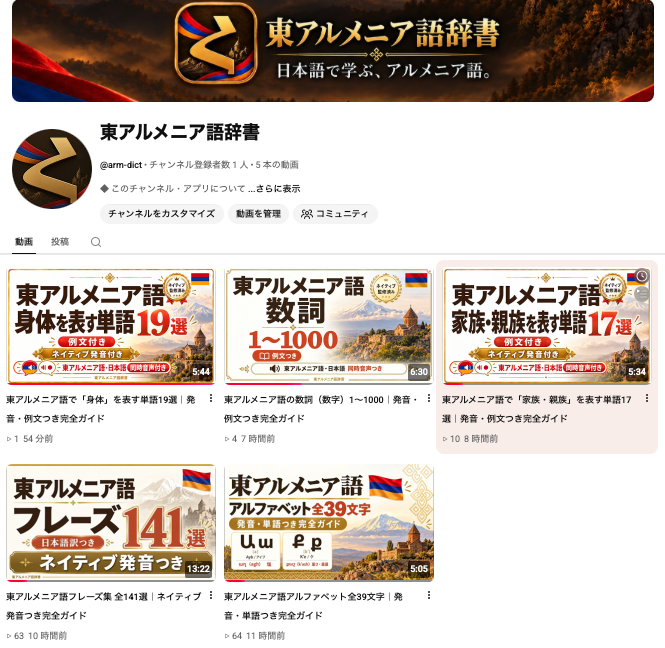
Everything here follows the same method. Read the sources — in Japanese, English, Russian, French and the local language — and even sources in the same language don’t always agree. Reduce them to something a beginner can hold. Ship it plainly: fast pages, real typography, no accounts, no interstitials, nothing between a reader and the thing they came for.
As a rule, nothing I write goes out exactly as drafted. Material on the websites is reviewed by native speakers in stages. Anything sold, though, is published only once a native speaker has checked it. If someone is paying for it, that check is not optional — it is a rule I have set myself, and how I stand behind the quality.
The sites and the apps are made by one person, which is the constraint and also the point: scope stays small, the material stays accurate, and corrections ship the same day.
About
Yeongho Lee
Linearize is my independent practice for research-led reference projects — writing, structuring and building each one end to end, from the source material through to the front-end and the App Store listing.
The name
Linearize the path to knowledge.
To linearize, in mathematics and engineering, is to bring something nonlinear into a form that can be analysed and worked with. Knowledge behaves the same way. Learning a language like Armenian or Tajik means branching endlessly — find the reference grammar, decode the script, hunt for trustworthy audio, cross-check a dictionary, then check how the word is actually used.
Linearize draws one road through that thicket: start here, go in order, arrive. Not by thinning the subject out — the complexity stays, and so does the rigour — but by making the route to it plain. Complex knowledge, a clearer path; the field can be language, culture, or anything else specialists reach easily and everyone else does not.
Languages I work in
Japanese — native
English
Eastern Armenian
Tajik
Kriolu / Portuguese